
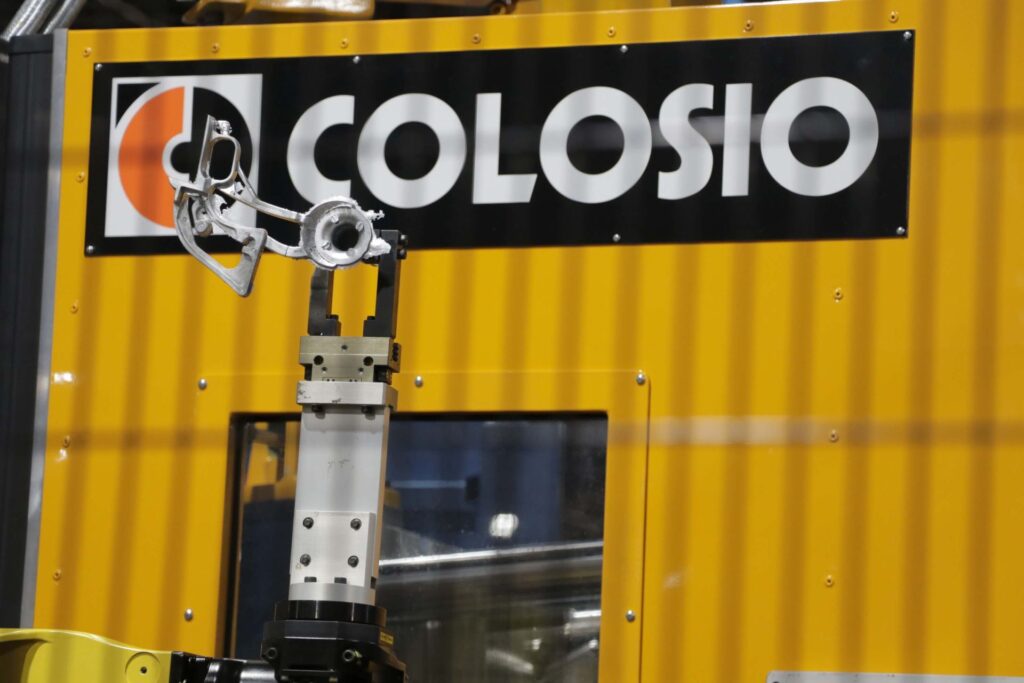
Die casting is a broad term that encompasses several manufacturing processes and materials. Castings can be made from materials like aluminum, iron, steel, zinc, and magnesium. Castings can also be produced using different methods, such as sand-casting, investment casting, and high-pressure casting. So where does hot-chamber die casting fit in?
“Hot chamber” die casting refers to a high pressure die cast process in which the reservoir of molten metal is located at the machine and directly injected into the mold at high speeds. This is commonly a method used for metals with lower melting points, but mostly commonly used with zinc alloy.
There is also a high-pressure diecasting process called “cold chamber” die casting. With this form of diecasting, the liquid metal is ladled from a furnace reservoir into a chute (called the shot sleeve) and then injected at high pressure into the mold. This method is primarily used for high-melting temperature metals, such alloys include aluminum.
Hot vs Cold: Why The Difference
Ideally, every die-casting process would be performed with hot-chamber casting, as it is more efficient. Unfortunately, hot-chamber casting cannot be performed with high-melt temperature metals due to the thermal stress and erosion on the steel components used in the manufacturing process.
Cold-chamber diecasting separates the furnace from the diecasting machine and minimizes the amount of time the molten metal is in contact with the manufacturing equipment. Additionally, cold-chamber diecasting takes more time per cycle, reducing the amount of time the equipment is exposed to the high temperatures of the molten metal.
You can use a cold-chamber machine to run low-melt metals, but it is not efficient due to the extra material handling and slower cycle time. However, you would not be able to run a high-melt temperature metal in a hot-chamber machine as you would rapidly deteriorate the equipment.
How the Hot Chamber Process Works
The hot chamber manufacturing process follows a rapid, repeatable sequence:
- Two halves of a die are hydraulically closed with many tons of pressure.
- A plunger lifts to allow molten metal to move from the furnace reservoir into a pool in a structure called a gooseneck.
- The plunger presses down with high speed, sealing the path between the furnace reservoir and the gooseneck and forcing the molten metal into a cavity formed by the two halves of the die at very high pressure
- The die cast machine holds the metal die shut until the plunger has released and the molten zinc has solidified in the cavity.
- After the part has solidified, the die opens
- The cast part is extracted from the die using some combination of a robot to grab the part, or moving pins, which push the part out of the die.
The following video provides an animation of the Hot Chamber Process for Die Casting from the North American Die Casting Association (NADCA).
Advantages of Hot Chamber Zinc Die Casting:
Enhanced Efficiency
A hot chamber die casting machine cycles faster and is more efficient to operate thanks to the ability to melt and inject the metal directly at the machine. Additionally, these metals used for production can be melted faster with less energy thanks to the lower melting points. The fast cycles and energy efficiency of hot-chamber zinc casting generate overall production efficiency and cost-competitive solutions.
Exceptional Precision
Zinc alloys have excellent fluidity, allowing them to flow into tight corners, thin walls, and detailed features. Combined with high‑pressure injection, zinc die casting produces parts with tight, repeatable tolerances. In zinc parts, designers can cast many features directly, removing the need for machining that other materials might require.
Superior Surface Finish
The high fluidity of zinc combined with high-pressure diecasting and short cycle times mean zinc castings can be made with excellent finishes. These castings end up with a thick dense “skin” on the outer surface of the part, creating a smooth attractive surface which is ideal for secondary finishing like plating and powder coating. A better surface finish out of the tool means fewer secondary processes and more consistent cosmetic results.
Versatile Applications
Zinc finds use in many industries, including automotive, appliances, hardware, and electronics. Our engineering and design teams collaborate with customers. They focus on enhancing part performance and improving casting efficiency for each application. There are various zinc alloys as well, allowing you to optimize your material choice for your application needs.
Why Choose Deco Products for your Casting Needs?
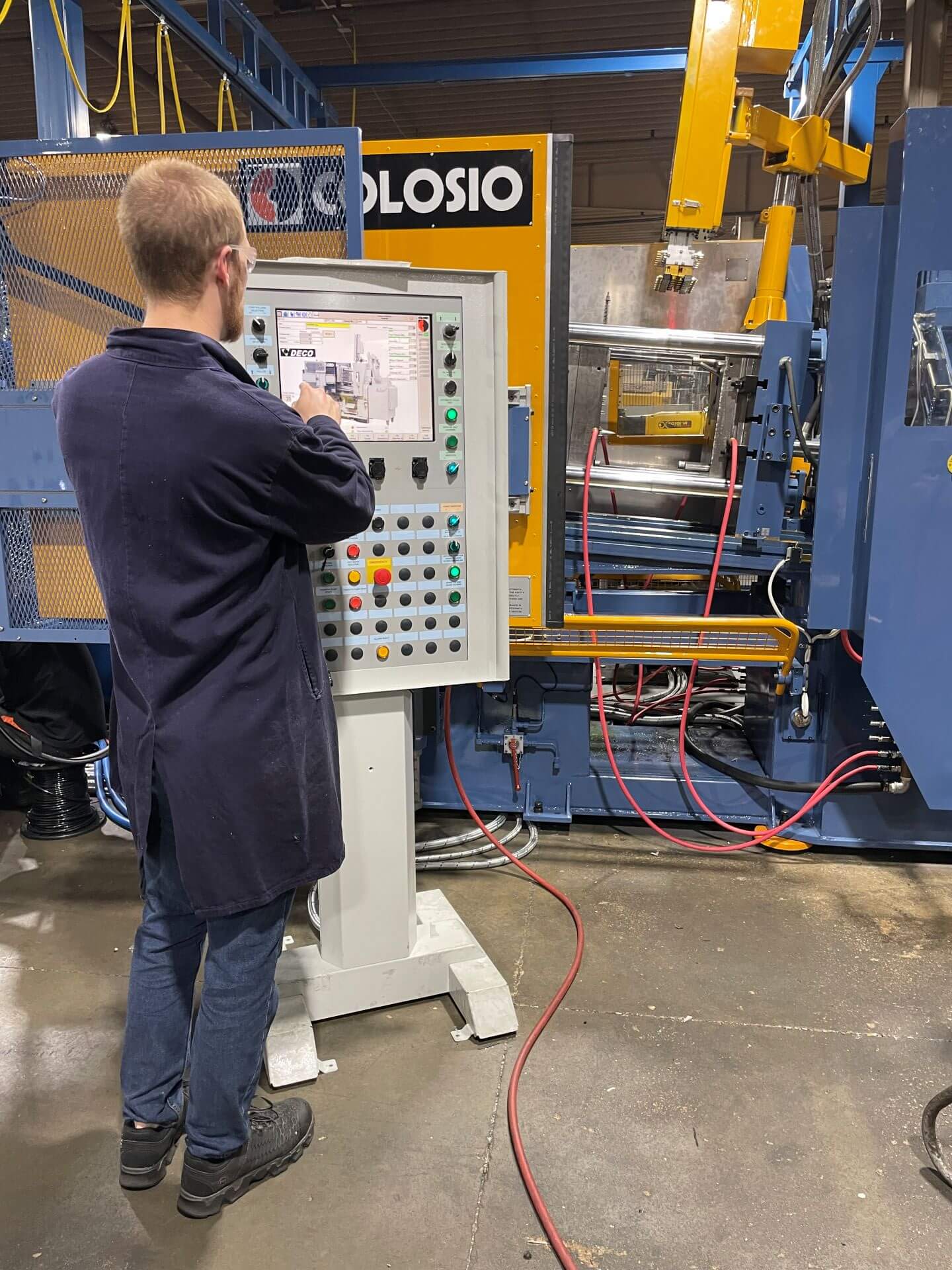
At Deco Products, we take pride in being a leading Zinc Die Casting Manufacturer in the USA. Our commitment to excellence and customer satisfaction sets us apart.
At Deco Products, we understand that the quality and performance of your product are essential. Our extensive Engineering resources can help you optimize your product design, tooling, and routings to help you pursue excellent in performance at competitive cost. Over decades, we’ve refined our tooling design, processes, and quality systems to consistently deliver excellent product.
We are equipped with cutting-edge die-casting equipment and a modern manufacturing facility. We have the resources to handle projects of any scale while maintaining exceptional precision and efficiency.
We understand that every die casting project is unique. We work closely with our clients, providing personalized attention and tailored solutions to meet your specific requirements. Please feel free to reach out to us to discuss your next zinc-casting project.