

Maximizing return on investment (ROI) is an important consideration for any business. This is particularly true in manufacturing, when the investment is into a special-purpose asset that may have very few potential buyers if the investor wants to liquidate the asset rather than continue to own it and operate it.
In die-casting, companies are able to achieve very low piece prices through an up-front capital investment in tooling. This tool investment is almost always the biggest part of the investment when considering the ROI for transitioning to a casting from a machined or extruded part.
One of the major benefits of choosing zinc over other casting metals, is the longer tool life. This reduces the amount and frequency that re-investment needs to be made to continue to support the low piece price achieved through die-casting.
Longer tool life not only improves the overall capital cost for sustaining the manufacturing capability over time. It can also help:
- Production rates
- Part quality and consistency
- Reduced downtime and production interruptions
- Overall efficiency
Comparing Zinc Tool Life with Other Metals
Zinc alloy molds can last up to 10 times longer than other casting materials, such as aluminum. The longer life-span reduces the overall cost each part needs to bear to cover the tooling expense. Additionally, fewer tools during the lifespan of a part also means fewer part approvals, and less risk for problems as one tool is retired and the next tool is brough online.
At Deco, we typically expect a zinc die-cast mold to last 750,000 to 1 million shots. This will vary based on the part geometry, wall thickness, and features of a part. Very simple parts that are easy to fill can last longer. Alternatively, complex parts that have features that create more resistance and turbulence may wear out much faster. In some cases, we’ve had tools last for decades and run for well over three million shots.
But why is it that a zinc tool lasts so much longer than other manufacturing materials? The reason is actually almost entirely to do with the physical properties of zinc:
1. Low Abrasiveness
Zinc alloys are less abrasive than other casting materials. When zinc is melted down to a liquid state, it has a low viscosity and can flow smoothly, like water, into the mold. This characteristic causes less wear on the tool, less turbulence in the part cavity, and allows the casting to form a smooth skin on the outer surfaces of the part.
2. Low Melting Point
Zinc also has a relatively low melting point compared to other casting metals. Zinc alloys liquify around 800 degrees Fahrenheit. Other metals melt at much hotter temperatures. For example, Aluminum alloys will liquify at around 1,200 degrees Fahrenheit. These much hotter temperatures wear out the steel tool much faster, both due to the very hot metal flowing along the surface of the mold, as well as the additional heat stress from being subjected to very high temperatures each shot.
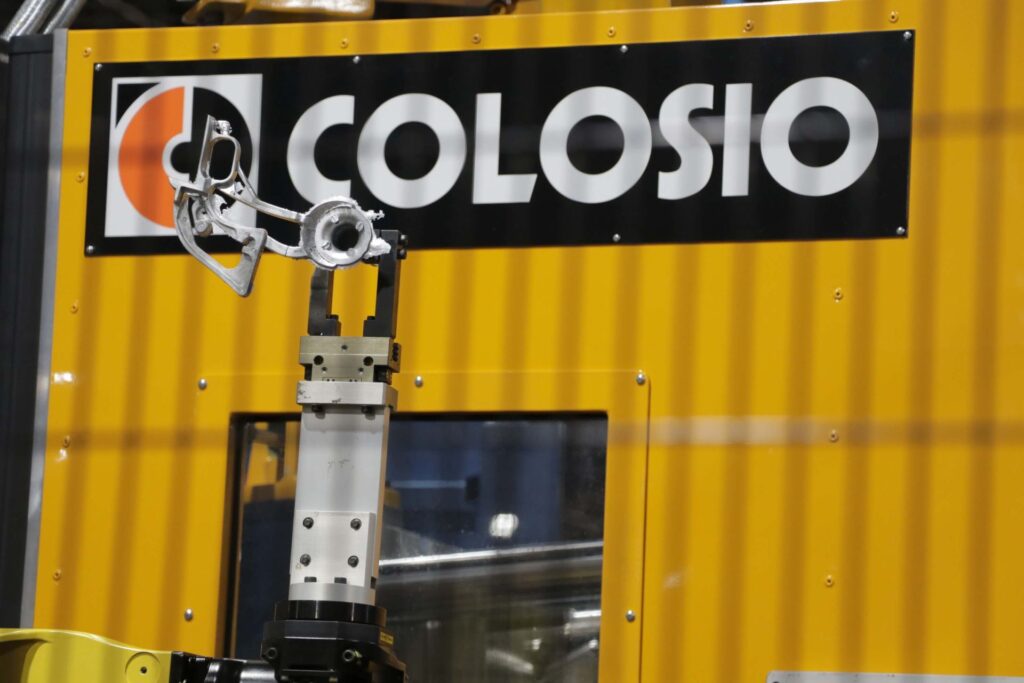
The combination of the hot molten metal and the additional heat stress contribute to the incremental mold erosion along the flow path and the internal surfaces of the mold. In addition to undermining product quality faster, these thermal concerns can also lead to additional challenges cycling the mold without ongoing maintenance to keep slides and ejection systems operating smoothly.
Zinc Alloys for High-Volume Manufacturing Processes
In addition to having a long tool-life, there are many other benefits from using zinc alloys for manufacturing.
- Zinc alloys have excellent fluidity, allowing easy casting into intricate shapes with tight tolerances.
- This allows die casters to produce complex metal parts with minimal post-processing or machining requirements. Ultimately, this saves time and resources while reducing production costs.
- Longer tooling life also means less down time for routine maintenance, and less down time as the tool reaches end-of-life.
- Zinc alloys have natural corrosion resistance, ensuring casting longevity and durability.
- The low melting point allows for energy-efficient casting processes.
- Zinc is nearly infinitely recyclable, making it a very sustainable choice for high-volume casting.
Maximize Tool Life Through Team Collaboration
One of the secrets to improved tool life is an improved tool design. At Deco, we provide customers with extensive support reviewing their product concepts for manufacturability. However, we also provide part-design recommendations to extend tool life.
Customers don’t always consider when placing a feature will cause additional complexity or risk in the tooling, like additional slides that need insert and withdraw from the cavity, thin spots in the tool that will wear faster due to heat stress, or under-drafted features that may increase the risk of a stuck part.
FAQ: Extended Tool Life in Zinc Die Casting
How does extended tool life impact profitability?
Extended tool life directly influences profitability by reducing replacement costs and maintaining uninterrupted production.
What role does zinc’s low melting point play in tool life?
Zinc’s low melting point reduces thermal stress on cutting tools and molds. This contributes to less erosion and enhanced tool performance compared to high-temperature materials. However, it is not just about the melting point. Zinc is also less abrasive and less viscous, reducing the overall friction and wear on the mold.
How does tool maintenance affect die life?
Proper tool maintenance through ultrasonic cleaning, rust inhibitors, routine quality inspections, and routine maintenance on site, prevents wear and tear while maintaining precision tolerances for longer die life.
What makes zinc alloys superior for high-volume production?
Zinc alloys offer excellent fluidity for easy casting. In addition, they exhibit exceptional corrosion resistance and energy-efficient processing because of their low melting point. Making them ideal for significantly reduced production costs in high-volume applications.
How does extended tool life benefit high speed production with moving parts?
Extended tool life is especially critical for complex production involving moving parts like slides, ejection mechanisms, and cams. This helps manufacturers keep fast production rates and more continuous production runs. Less interruption and variability supports better part quality and fewer delays as well.
At Deco, we can review your design on the front end to help reduce your total cost, both for the product and the long-term tool design.
Additionally, we pay close attention to designing the tooling features outside of your part. Every tool has a sprue and runner system to get the liquid metal from the pot into the part cavity. At Deco, we can make sure we plan a metal path and overflow features to help smooth out the turbulence of the part to improve overall part quality and tool lifespan.
These subtle changes will not impact the part print, but will impact how the tool is built, maintained, and how long the tool lasts.
Tool Maintenance and Die Management Excellence
When you invest in tooling to be run at Deco, you can trust us to take care of it like it is our asset. With decades of experience, we have established the excellent methods for die management.
One of the key tools we use to maintain your investment is ultrasonic cleaning. This is a two-stage process that breaks down any residue from the most recent production run. This thorough cleaning ensures that our molds begin each new production run in top-notch condition.
We also routinely apply special rust inhibitors to protect tools for their decades-long lifespans.
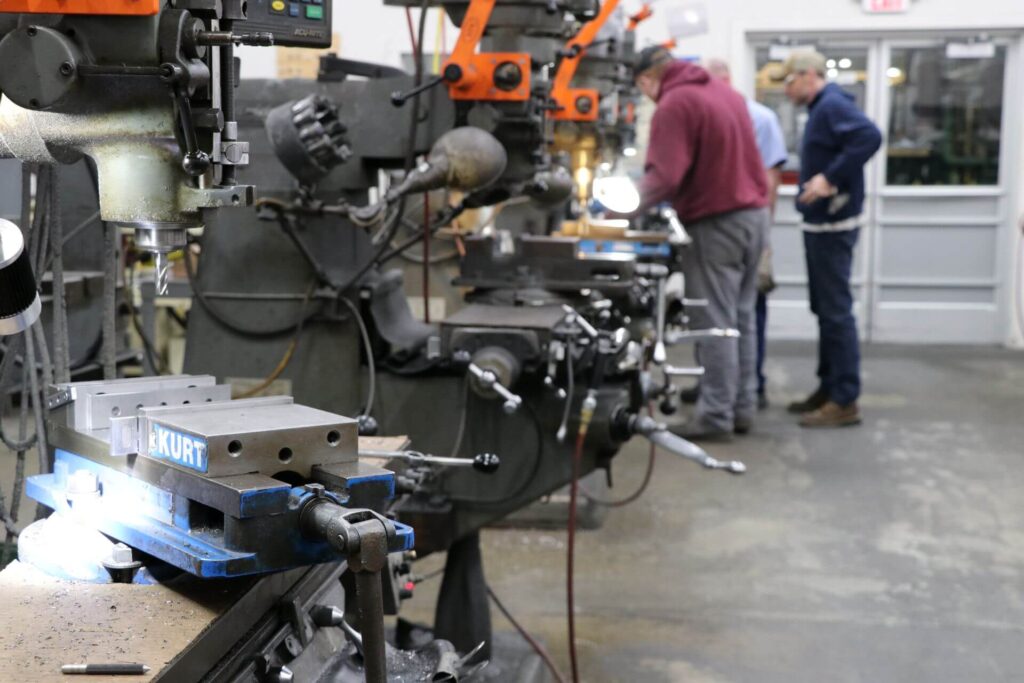
If there are issues with your tool in production, we have a staffed tool-room able to provide no-hassle routine tool maintenance at no additional cost to you. Our skilled staff includes journeymen toolmakers with over 150 years of collective experience. This expertise ensures optimal tool holder maintenance and precision work.
Our tool room team has access to mills, lathes, surface grinders, CNC mills, and CNC lathes. We also maintain heat treat furnaces and precision measuring tools. Having these cutting edge tools in-house creates significant cost savings and reduces downtime. Our well-staffed tooling department ensures minimal production interruptions, keeping your operations running smoothly.
In the event a modular element has failed, we can work with you to replace the feature of the tool that has failed, rather than replacing the entire tool if there is still a strong prospect of good tool life.
Our new die cast machines feature electric actuators compared to pneumatic sprayers. This provides more accurate and consistent coverage. Therefore, resulting in longer tool life and more consistent die cast parts with less scrap.
Safeguarding the integrity of the tools over the long run has been a key to our own long-term success.
Conclusion
The advantages of extended tool life in zinc die casting are clear. From cost savings to increased efficiency and improved surface finish quality, the ROI benefits are substantial.
Zinc alloys for high-volume castings maximize ROI by reducing production costs and ensuring high-quality, durable parts. By implementing methods to extend tool life and utilizing advanced manufacturing processes, we can achieve these goals.
Deco Products utilizes innovative zinc die casting techniques with experienced teams to drive business success and growth. Our decades of expertise, advanced equipment, and collaborative approach ensure optimal tool performance and maximum return on your investment.